CR2 Garden Clearance Services Near Sanderstead Station: A Practical Guide for a Cleaner, Safer Garden
If your outdoor space has slipped into the "I'll sort it next weekend" category, you're not alone. Gardens around Sanderstead Station can collect leaves, bramble, ivy, hedge cuttings, broken pots, and general clutter faster than most people expect, especially after a few wet weeks and a bit of wind. CR2 garden clearance services near Sanderstead Station are designed to take that overwhelming job and turn it into something manageable, tidy, and useful again.
In this guide, we'll look at what garden clearance actually involves, how the process works, who benefits most, what to expect on the day, and how to avoid common mistakes. You'll also find a checklist, a comparison table, and a few straightforward tips that make the whole thing less stressful. To be fair, a proper clearance can feel like one of those jobs that changes the whole mood of a property. One hour of organised work, and suddenly the space breathes again.
Why CR2 garden clearance services near Sanderstead Station Matters
A neglected garden is more than just an eyesore. In the CR2 area, small plots, sloping corners, shared boundaries, and mature planting can make debris build-up feel worse than it looks at first glance. What starts as a few weeds and cuttings can quickly become blocked access paths, soggy patches, hidden pests, or an outdoor area you simply stop using.
That matters for a few very practical reasons. First, a clear garden is easier to maintain. Once overgrowth gets a foothold, every future task takes longer. Second, clearance can reveal problems you could not easily see before: broken fencing, unstable paving, rotten timber, damaged deck boards, or trees and shrubs pressing too closely against a structure. Third, if you're planning any future work such as landscaping, turfing, or patio cleaning, a cleared space gives you a much better starting point.
Near Sanderstead Station, accessibility also matters. Homes close to the station, busier roads, or tighter residential streets often need fast, tidy work with minimal disruption. That means a service that knows how to work carefully, keep access clear, and remove waste without turning the place into a mess halfway through. You want the garden improved, not briefly rearranged into chaos. Funny how often that happens when clearance is done badly.
If you are thinking beyond clearance, it can also be the first step towards a wider reset. Many people begin with clearance and then move into ongoing garden maintenance, hedge work, or even a full makeover. If the overgrowth includes tall hedges, the page on hedge trimming in Sanderstead may also be useful for the next stage.
How CR2 garden clearance services near Sanderstead Station Works
Although every garden is different, the process usually follows a sensible sequence. A good clearance service will not just "cut everything down" and leave. The work should be planned around access, waste volume, plant type, safety, and what you want to keep.
Typical stages
- Initial assessment: The team looks at the size of the garden, the amount of waste, access routes, and any problem areas such as ivy, brambles, or fallen branches.
- Clear scope of work: You agree what needs to go, what should stay, and whether you want the space left ready for planting, re-turfing, or further work.
- Safe clearance: Debris is removed in stages, usually from the largest or most awkward material down to smaller cuttings and loose litter.
- Sorting and separation: Recyclable green waste, wood, soil, and mixed rubbish may be separated where possible for more responsible disposal.
- Final tidy: The site is raked, swept, and checked so you are not left with hidden piles under a hedge or behind a shed.
In practice, a decent crew will also adapt to the garden rather than forcing the garden to fit the crew's routine. A narrow side return, a steep back garden, or a mature border full of self-seeded plants may need a different approach from a simple lawn clearance. That flexibility is what separates a useful service from a rushed one.
If you want to understand how the work connects with other services, have a look at general gardening services and tree surgery where larger branches, dangerous growth, or overhanging limbs are part of the job.
Key Benefits and Practical Advantages
Garden clearance sounds simple. It is simple, in one sense. But the benefits stack up quickly when the work is done properly.
- More usable space: A cleared garden feels bigger immediately, even if the actual square footage hasn't changed.
- Better safety: Removing trip hazards, sharp debris, and hidden rubbish reduces risk for children, visitors, and pets.
- Easier ongoing upkeep: Once the clutter is gone, routine mowing, pruning, and weeding become much more manageable.
- Improved plant health: Clearing away dead material can reduce damp pockets and allow more light and airflow.
- Stronger first impression: If you are selling, renting, or simply want to enjoy the home more, the garden makes a real difference.
- Better planning for future work: A clear space shows what can be saved, reshaped, or replaced.
There is also a quiet emotional benefit that people often overlook. You look out of the window on a grey morning, and instead of feeling weighed down by a mess, you see structure. That matters. It changes how you use the garden, and even how you feel about the house. Not dramatic, just true.
For property owners thinking about follow-up improvements, clearance often pairs well with landscaping, lawn care, or a refreshed outdoor seating area once the basics are back under control.
Who This Is For and When It Makes Sense
Garden clearance is not just for people with neglected outdoor spaces. It makes sense in many everyday situations, some obvious and some less so.
It may be right for you if:
- You have just moved into a property and the garden needs a proper reset.
- You are preparing to sell and want better kerb appeal from the back gate outward.
- The garden has been left through winter and is full of wet leaves, fallen stems, and dead growth.
- You have shrubs, hedges, or climbers that have outgrown their boundaries.
- The space has become hard to access because of overgrowth or dumped waste.
- You want to convert an overgrown patch into a usable lawn, seating area, or play space.
- You are concerned about pests, damp, or blocked drainage caused by debris.
It also makes sense after a period of travel, illness, renovation, or simply a busy few months. Life gets in the way. Gardens are patient like that, unfortunately, and then one day you realise the problem has become a bit bigger than a quick tidy-up. Nothing to be embarrassed about. Really, there isn't.
If children or pets use the garden, clearance becomes even more valuable. A safer outdoor space is easier to enjoy, especially in family homes. Related ideas are explored in the site's guide on designing a garden for children and the practical post on gardening with dogs in mind.
Step-by-Step Guidance
If you are preparing for a clearance visit, a bit of planning saves time and avoids confusion. Here is a sensible way to approach it.
- Walk the garden first. Identify what is rubbish, what is green waste, and what should be preserved. Mark fragile pots or hidden cables if needed.
- Prioritise the access routes. Make sure the team can get to the back garden, side passage, shed, or compost area without awkward delays.
- Choose your end goal. Are you aiming for a simple tidy, a full clearance, or a space ready for new planting? Be clear on this.
- Ask about waste handling. Confirm whether green waste, mixed waste, and larger items will be removed in the same visit.
- Plan for follow-up work. If the garden needs mowing, hedge trimming, or patio cleaning afterwards, schedule that while the space is open and clear.
- Do a final check at the end. Look for missed corners, broken fixings, or anything that should remain on site.
A small but useful habit: take a few photos before the work begins. You may not need them, but they help if you want to compare before-and-after progress or explain exactly what you want removed. Nothing fancy. Just practical.
Expert Tips for Better Results
After years of watching gardens improve rapidly once the right decisions are made, a few patterns become obvious.
- Don't wait for the "perfect time." Overgrown gardens rarely clear themselves. Once the space has tipped past tidy, action is usually better than planning a flawless future weekend.
- Separate valuable plants before the team arrives. If you want to save bulbs, herbs, or self-seeded favourites, move them or mark them clearly.
- Work from the outside in. Edges, fences, and access paths often create the biggest visual improvement fast.
- Use clearance as a design reset. Ask yourself what the garden should do next: privacy, play, planting, seating, or low maintenance.
- Think about the soil. Once debris is removed, the ground may need feeding, levelling, or weed control before replanting.
- Be honest about what is too much for DIY. Heavy waste, awkward roots, and dense bramble patches can chew through a weekend and a good mood very quickly.
One small seasonal note: late autumn and early spring often reveal just how much hidden work a garden has been carrying. Wet leaves, compacted borders, and old growth tend to show up when the light is poor, and the place can feel worse than it really is. Once cleared, it usually looks much more hopeful than expected.
Common Mistakes to Avoid
Garden clearance seems straightforward, but a few mistakes crop up again and again.
- Trying to clear everything at once: Big jobs are easier when broken into zones.
- Ignoring hidden waste: Old timber, rubble, rusty metal, and buried debris can be tucked away under growth.
- Cutting without a plan: Removing too much can damage structure, screening, or future planting options.
- Forgetting access and disposal: A heap of cuttings still needs to leave the site somehow.
- Not checking for services: Water pipes, lights, and cable runs should be treated with care.
- Leaving the follow-up until later: If you want the space to stay useful, think about upkeep right away.
Perhaps the biggest mistake is underestimating how much time clutter creates. A garden packed with old branches, ivy, and long grass looks like "a clear up needed." Yet once the job starts, the practical obstacles become obvious. It is rarely just one hour and a bin bag, let's say that much.
Tools, Resources and Recommendations
Good garden clearance work depends on the right equipment, but the important part is not the shiny tool. It is the judgement behind how it is used.
Common tools and equipment
- Heavy-duty gloves
- Secateurs and loppers
- Pruning saws for thicker material
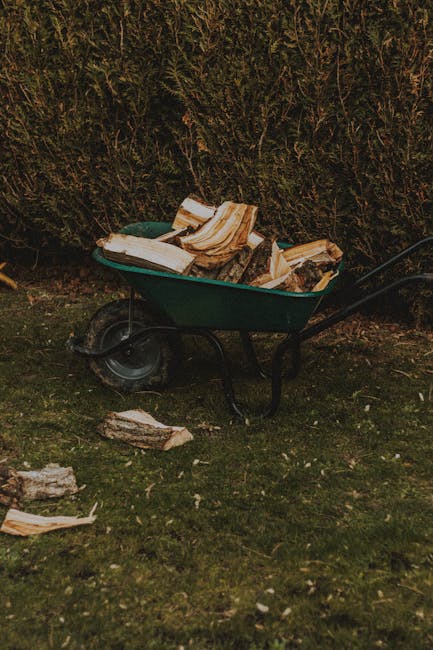
- Wheelbarrows or sacks for moving waste
- Rakes and brooms for final finishing
- Strimmers for rough grass and soft overgrowth
- Protective eyewear and sturdy footwear
Useful resources on this site
If your clearance is part of a broader tidy-up, you may also find these pages helpful: patio cleaning for hard surfaces that have gathered grime, lawn mowing for bringing the grass back under control, and decking services if the timber areas around the garden need attention after the clutter is gone.
If you are looking for a broader reset rather than just clearance, the article on starting a garden makeover offers a useful mindset for turning a tired space into something fresh without rushing every decision.
Sometimes the best recommendation is simple: get the worst of the waste out first, then decide what the garden needs next. One clear step leads to the next. That's usually how the whole thing becomes manageable.
Law, Compliance, Standards, or Best Practice
Garden clearance is not usually a heavily regulated service in the way building work is, but there are still sensible UK best practices to follow. Waste should be handled responsibly, especially if it includes mixed rubbish rather than pure green waste. A professional team should be careful about disposal routes, safe manual handling, and avoiding damage to property or neighbouring boundaries.
There are also practical safety expectations. Good practice means using suitable protective equipment, keeping walkways clear, working carefully around sharp or unstable items, and checking for hazards before cutting into thick growth. If branches are close to power lines, wall fixings, or shared structures, that needs a cautious approach, not a guess.
For homeowners, the main job is to choose a provider who works transparently and explains what is included. You should expect clear pricing, a realistic description of waste handling, and decent communication if the site turns out to be more complex than expected. The pages on health and safety, insurance and safety, terms and conditions, and payment and security are helpful if you want a better feel for how a trustworthy service is usually presented.
And yes, it is worth checking the fine print. Not because it is thrilling reading. Because a tiny detail can save a lot of back-and-forth later.
Options, Methods, or Comparison Table
There is more than one way to handle an overgrown garden. The right choice depends on size, urgency, waste volume, and how much of the space you want to preserve.
| Option | Best for | Pros | Trade-offs |
|---|---|---|---|
| DIY tidy-up | Light clutter, small borders, simple jobs | Low cost, full control, flexible timing | Time-consuming, physically demanding, limited waste capacity |
| Partial professional clearance | Specific problem areas, access issues, seasonal cutback | Targets the hardest parts, saves time, less disruption | May still leave some follow-up work for later |
| Full garden clearance | Severely overgrown, abandoned, or pre-renovation spaces | Fast reset, clearer planning, better safety and access | Usually the biggest job and the most waste to remove |
| Clearance plus maintenance | People who want the garden to stay tidy, not just look tidy once | Creates momentum and longer-lasting results | Requires an ongoing plan, not a one-off fix |
For many local homeowners, the middle ground works best. Clear the heavy growth first, then follow with targeted maintenance. It is usually cheaper in the long run than letting the same problems build up again and again.
Case Study or Real-World Example
A typical example is a small CR2 back garden that has been left mostly untouched since autumn. By late winter, the borders are hidden under leaf litter, a few bramble canes have spread along the fence, the compost heap has collapsed a bit, and the lawn is patchy because it has not had enough light. Nothing dramatic. Just enough to make the whole area feel smaller and harder to use.
In a case like that, the best approach is usually:
- clear the path from the house to the back gate first, so access improves immediately;
- remove dead growth and loose debris from beds and corners;
- cut back invasive or overextended growth before it tangles with fencing;
- collect and separate waste for disposal;
- finish with a sweep and a quick assessment of what should happen next.
What changes most is not only the appearance, but the feel of the space. A garden that once looked tired and awkward starts to look usable again. You notice the light. You notice the edges. And oddly enough, you notice how much easier it is to imagine a bench, a herb patch, or even just a peaceful cup of tea outside on a mild afternoon.
That is the real value of clearance. It creates possibility.
Practical Checklist
Use this checklist before booking or starting any garden clearance job near Sanderstead Station.
- Walk the whole garden and identify the worst areas.
- Decide what must stay, what can go, and what needs special handling.
- Check access routes for narrow gaps, side passages, or locked gates.
- Move fragile items, ornaments, and valuables out of the work area.
- Ask how waste will be removed and what types are covered.
- Confirm whether the job includes raking, sweeping, and final tidy-up.
- Note any overhanging trees, unstable structures, or hidden hazards.
- Plan the next step: mowing, hedge trimming, planting, or landscaping.
- Keep pets and children clear while work is underway.
- Take a few before-and-after photos for your own records.
Expert summary: The best garden clearance is not the one that removes the most stuff. It is the one that leaves the garden safer, easier to maintain, and ready for whatever comes next. That's the bit people remember a month later.
Get a free quote today and see how much you can save.
Conclusion
CR2 garden clearance services near Sanderstead Station are a practical answer to one of the most common outdoor problems: a garden that has slowly become harder to use than it should be. Whether you need a full reset, seasonal tidying, or help with overgrown borders and awkward waste, the right clearance approach can make a genuine difference in a single visit.
What matters most is not perfection. It is progress. Clear the worst of it, restore access, reduce the stress, and build from there. Once a garden is back under control, every other decision gets easier. A little calmer too, truth be told.
If you are ready to move forward, start with a clear assessment of what needs removing, what should stay, and what you want the space to become next. The rest tends to follow more smoothly than you might expect.
Frequently Asked Questions
What do CR2 garden clearance services near Sanderstead Station usually include?
They usually include removing overgrowth, green waste, loose debris, unwanted cuttings, and general garden clutter, then leaving the area tidy and usable. Some jobs also include light cutting back or waste separation.
How is garden clearance different from garden maintenance?
Clearance is the reset job: removing build-up, debris, and overgrowth. Maintenance is the ongoing care that keeps the garden tidy afterwards, such as mowing, trimming, and seasonal upkeep.
Can a clearance service deal with ivy, brambles, and dense weeds?
Yes, usually. Dense growth is a common reason people book clearance in the first place. The key is to be clear about how much is involved so the job can be planned safely and realistically.
Do I need to be home during the clearance?
Not always, but it helps to be available at the start if you want to point out what should be removed and what must stay. A quick walkthrough can prevent misunderstandings later.
What should I do before the team arrives?
Remove personal items from the garden, secure pets, clear access points, and mark anything fragile or important. A few minutes of prep can save quite a lot of confusion.
How long does a garden clearance usually take?
That depends on the size of the garden, how overgrown it is, and whether waste needs to be moved through tight access. A small tidy may be quick; a heavily overgrown space can take much longer.
Will everything be taken away from the site?
In most proper clearance jobs, waste removal is part of the service, but it is wise to confirm exactly what is included. Green waste, mixed waste, and large bulky items may need to be handled differently.
Is garden clearance worth it before landscaping work?
Yes, very often. Clearance creates a clean working base, makes the space safer, and helps you see the site properly before planning new features, planting, or hard landscaping.
Can garden clearance help with safety?
Absolutely. It removes trip hazards, hidden rubbish, sharp debris, and obstructive growth. That matters if children, pets, older residents, or visitors use the space.
How do I choose the right service for a garden near Sanderstead Station?
Look for clear communication, sensible pricing, a practical explanation of what will be removed, and a tidy finish. If the provider also offers related work like hedge trimming, lawn care, or landscaping, that can be a useful sign that they understand the whole garden rather than just one task.
What if my garden has both clearance and pruning needs?
That is very common. A good approach is to deal with the clearance first, then assess whether hedges, shrubs, or trees need separate attention. That is often where the garden starts to feel properly restored.
How often should a garden be cleared?
It depends on the pace of growth and how much use the garden gets. Many people only need a major clearance occasionally, with regular maintenance in between. If the space fills with debris quickly, a lighter seasonal clearance may be enough.