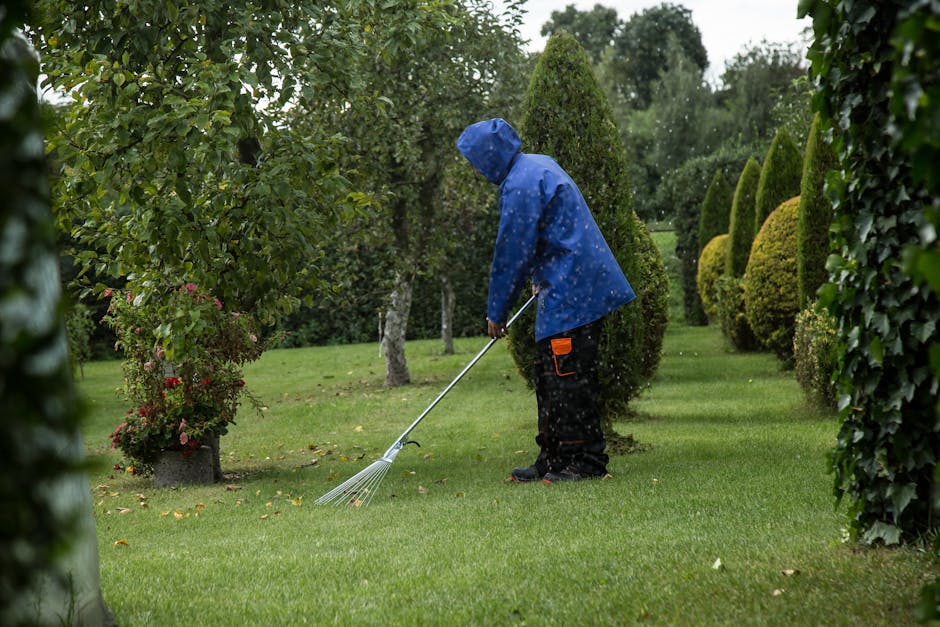
Croham Hurst garden maintenance experts in Sanderstead: practical, dependable care for gardens that look right all year
If your garden in Croham Hurst is starting to feel a bit out of step with the rest of the house, you are not alone. Hedges get leggy, lawns thin out, weeds creep in, and a once-neat patio can end up looking tired after one wet season too many. Croham Hurst garden maintenance experts in Sanderstead help put that back under control with regular, sensible care that suits the way local gardens actually grow, not how they look in a brochure.
Whether you need ongoing upkeep, a tidy-up after a busy month, or a more structured plan for the year ahead, the right garden maintenance service should feel calm, organised, and easy to trust. In this guide, we'll walk through what that looks like, what to expect, how the work is usually approached, and the small decisions that make a big difference over time. Simple enough on paper. In real life, gardens are a bit messier.
Why Croham Hurst garden maintenance experts in Sanderstead matters
Croham Hurst and the wider Sanderstead area have gardens that often face a familiar mix of challenges: mature planting, shade from established trees, boundary hedging that needs regular attention, and weather that changes its mind every five minutes. A garden can look beautiful one week and then suddenly feel overrun the next. That's exactly why skilled maintenance matters.
Professional garden care is not just about making things look neat for a day. It is about keeping growth under control, spotting early problems, and making sure the whole space stays manageable. A good team notices the details many homeowners miss: a lawn that is compacting at the edges, a hedge that is closing in on a path, a bed that is becoming weed-dominated, or decking that is growing slippery in damp weather. If you have ever stood at the back door with a cup of tea and thought, "Right, where did all this come from?", you'll understand the appeal.
In local gardens, regular maintenance also helps protect long-term value. Plants perform better when they are pruned at the right time, lawns recover more easily when they are fed and mown correctly, and patios last longer when moss and debris are cleared before they hold moisture for too long. That all sounds modest, but it adds up. A lot.
For homeowners who want more structure and less guesswork, it can help to think of maintenance as the practical backbone of the garden. Design gives it personality; upkeep keeps it alive. If you are also planning a bigger refresh, you might find it useful to explore broader gardening services or the more focused garden maintenance support available locally.
How Croham Hurst garden maintenance experts in Sanderstead works
Good garden maintenance usually begins with a clear look at what the space actually needs, not what an idealised garden might need. A reliable team will typically walk the garden, identify priorities, and then build a practical plan around season, planting style, and how much work is realistically required. That may sound obvious, but plenty of poor results come from doing everything at once, in the wrong order, or at the wrong time of year.
In a normal maintenance visit, the work often includes mowing, edging, border tidying, deadheading, weed control, hedge trimming, pruning of manageable shrubs, leaf clearance, and a general reset of the space. Some gardens may also need patio cleaning, light tree work, or repairs to boundary structures. If the lawn needs extra care, pairing routine mowing with ongoing lawn care is usually a smarter long-term approach than treating the grass as an afterthought.
The rhythm matters too. Many gardens are best maintained through regular visits rather than occasional rescue jobs. That way, plants are trimmed before they become awkward, weeds are removed before they seed, and lawns stay healthier because they are cut at sensible intervals. To be fair, a garden that is kept on top of is also a garden that tends to cost less to sort out later. No magic there, just less damage being done in the first place.
Where hedges are a feature, timing and technique become especially important. If you are dealing with boundary growth or a privacy screen, the service may connect naturally with hedge trimming in Sanderstead. A sharp, evenly maintained hedge can transform the feel of a garden without changing the whole layout.
Key benefits and practical advantages
The most obvious benefit is appearance, but that's only the surface. Maintenance affects how your garden functions, how safe it feels, and how much effort you need to put in yourself. Here are the advantages people usually notice first.
- Less overwhelm: A regular maintenance plan breaks a big, messy job into manageable visits.
- Healthier planting: Pruning, feeding, and weed control support stronger growth.
- Better safety: Clear paths, tidy edges, and well-kept surfaces reduce slips and trip hazards.
- More usable space: A garden that is maintained properly becomes a space you actually want to use.
- Higher curb appeal: Neat borders and tidy lawns lift the whole property's presentation.
- Improved resilience: Well-cared-for plants tend to handle dry spells, wet weather, and seasonal changes more effectively.
There are also quieter benefits that people only notice later. The smell of freshly cut grass on a cool morning. The simple relief of seeing clean lines around the lawn. The sense that your garden is no longer "something to deal with" but part of the home again. That feeling is worth a lot, honestly.
For gardens with weather exposure, it can also help to think about resilience as part of maintenance. Materials, planting choices, and seasonal care all matter. Articles such as protecting a garden from harsh weather and winter garden protection offer useful ideas that fit neatly alongside routine upkeep.
Who this is for and when it makes sense
This kind of service is not only for large gardens or highly planted spaces. In fact, smaller gardens often benefit just as much, because they can look cluttered quickly if they are not kept tidy. The most common customers are homeowners who want consistency, but the service can make sense in many situations.
- Busy households that want the garden to stay tidy without spending every weekend on it.
- Older homeowners who would rather avoid physically demanding tasks like hedge cutting or heavy clearance.
- New movers who have inherited a garden and need help understanding what is already there.
- Families who want a safer, more usable outdoor space for children or pets.
- Property owners preparing a garden for sale, rental, or seasonal visitors.
- People with ambitious planting schemes who need regular support to keep them looking their best.
There is also a very practical "when" question. It makes sense when your garden is taking more time than you have, when the jobs are becoming too technical, or when the space is drifting into a cycle of neglect and emergency tidy-ups. If you are constantly thinking, "I'll deal with it next weekend," that usually means the garden has already crossed the line into needing a plan.
For anyone starting from scratch or recovering from years of patchy care, a gentle reset can help. A good starting point is planning a garden makeover, then folding in ongoing maintenance once the space is back in shape.
Step-by-step guidance
If you are approaching garden maintenance for the first time, it helps to think in stages. The goal is not to do everything at once, but to get the order right.
- Assess the space. Look at what is urgent: overgrowth, weeds, weak lawn patches, blocked paths, or tired beds.
- Separate the garden into zones. Lawns, hedges, borders, hard landscaping, and feature areas usually need different treatment.
- Set priorities for the season. In spring, focus on recovery and shaping; in summer, on control and watering; in autumn, on clearance and prep; in winter, on protection and structural checks.
- Choose a maintenance rhythm. Decide whether the garden needs weekly, fortnightly, monthly, or seasonal care.
- Address the biggest problem first. Usually that means weeds, hedge growth, or lawn condition. Remove the pressure point before polishing the details.
- Finish with detail work. Edging, sweeping, deadheading, and surface cleaning give the garden its finished look.
- Review what changed. Ask what improved, what still needs attention, and what should happen next time.
That last step is underrated. A garden is not a one-off project; it is more like a conversation with the seasons. And yes, the weather sometimes answers back rudely.
If you want a bit more self-guided confidence, there are helpful articles on starting out in gardening and simple weed control that fit neatly into a maintenance plan.
Expert tips for better results
Little decisions make a big difference. That is especially true in local garden care, where a tidy finish should still feel natural, not overworked.
- Cut less often than you think, but at the right height. Repeated harsh mowing can stress grass. Better to keep it steady and even.
- Trim hedges before they become a problem. If a hedge is already pushing into a boundary line or shading out beds, the job gets harder and less tidy.
- Don't let weeds win early in the season. Once they seed, you are playing catch-up for months.
- Leave room for airflow. Dense planting can look lush, but if air cannot move, mildew and damp issues are more likely.
- Use the right material in the right place. Ground cover, climbers, and shrubs each solve different problems. Mixing them properly matters.
- Watch how water moves. After rain, note where puddles sit or where soil dries out too quickly. That is useful information.
If privacy is one of the reasons you are maintaining the garden, a thoughtful planting approach can help. The guidance in privacy-focused hedge ideas is a good companion read, especially when you are deciding whether to keep, reduce, or replace boundary planting.
And if you are working with tricky shade, don't fight it blindly. Shade-tolerant climbers and ground cover can turn awkward corners into useful features. There is a nice practical angle in using climbers in shadowy spaces and choosing ground cover plants for UK gardens.
Common mistakes to avoid
Most garden problems do not start as disasters. They start as "I'll sort that later." Then later becomes a season. Then a season becomes a full reset. It happens.
- Over-cutting plants. Taking too much off at once can weaken shrubs and hedges.
- Ignoring edges. Untidy edging makes even a freshly mown lawn look unfinished.
- Using the wrong tools for the job. A blunt tool or mismatched equipment can cause rough cuts and uneven finishes.
- Forgetting hard surfaces. Patios and decking need cleaning too, not just soft landscaping.
- Leaving seasonal debris in place. Wet leaves, broken stems, and dead matter can affect both appearance and plant health.
- Trying to do complex work without checking access or safety first. That includes awkward slopes, fragile surfaces, and areas near boundaries.
There is also the subtle mistake of designing maintenance around one good week. Gardens need plans that survive school runs, rain, holidays, and those days when you simply do not feel like being outside. Fair enough, really.
For families or dog owners, it is worth reading about safe garden design for children and gardening with dogs in mind. Maintenance is easier when the garden suits real life.
Tools, resources and recommendations
A proper maintenance routine usually relies on a sensible toolkit rather than a garage full of shiny gadgets. The best tools are the ones that save time, reduce strain, and give a cleaner finish.
- Quality mower: For regular grass cutting and edge consistency.
- Hedge trimmer or shears: For shaping boundaries and ornamental hedging.
- Fork, rake, and hand tools: For clearing beds, aerating soil, and gathering debris.
- Leaf blower or broom: Useful for patios, decking, and drive edges.
- Weed removal tools: Better for targeted control than broad, messy pulling.
- Pruning tools: For deadwood, overgrowth, and seasonal shaping.
Sometimes the best resource is a clear plan, not a new piece of equipment. A simple seasonal checklist can do more than an expensive gadget with three settings nobody uses. For people who like making the garden easier to live with, low-maintenance garden ideas and container gardening for small spaces are both very practical.
When waste builds up after a tidy, turning organic material into useful compost or soil conditioner can be a smart move. The article on making waste into nutrient-packed soil is useful if you want the garden to be a bit more circular and less throwaway.
For bigger plans, you might also need help beyond basic upkeep. That is where landscaping support, patio cleaning, or even tree surgery can become relevant. Different gardens need different levels of intervention, after all.
Law, compliance, standards, or best practice
Garden maintenance is not the same as a regulated trade like gas fitting, but there are still sensible standards and duties to respect. Good practice matters because gardens often involve tools, ladders, sharp edges, electrical equipment, and work near neighbours' property.
In the UK, a careful garden maintenance provider should work with proper insurance and a clear health and safety approach, especially where access is awkward, waste needs handling, or heavier work is involved. If a job includes ladders, powered hedge cutting, or tree work, caution should be obvious rather than assumed. You should never have to wonder whether the basics are being taken seriously.
It also helps when a business is transparent about how it handles queries, complaints, payment, and customer information. Useful reference pages include insurance and safety, health and safety policy, payment and security, terms and conditions, privacy policy, and complaints procedure.
For customer confidence, these details matter as much as a tidy finish. They show that the service is set up properly, not just casually arranged on the day. And if you are comparing options, pricing and quotes is the right place to start rather than guessing from thin air.
Options, methods, or comparison table
Not every garden needs the same type of maintenance. Some need frequent light touch care. Others need a more hands-on reset and then a lighter schedule after that. Choosing the right method saves money and avoids unnecessary work.
| Approach | Best for | Strengths | Trade-offs |
|---|---|---|---|
| Regular weekly or fortnightly maintenance | Established gardens, family homes, rental properties | Keeps growth under control, maintains a clean look, fewer big jobs | Requires consistency and scheduling |
| Seasonal maintenance visits | Smaller gardens, lower-growth spaces, busy households | Good balance of cost and care, especially in spring/autumn | Can let small issues build up between visits |
| One-off restoration tidy-up | Overgrown gardens, pre-sale preparation, neglected spaces | Fast transformation, clears the backlog | Needs follow-up if you want to stop the garden slipping again |
| Maintenance plus specialist services | Gardens with hedges, patios, trees, fencing, or redesign needs | More complete solution, better long-term results | May involve several types of work rather than one simple visit |
For a lot of homeowners, the right answer is a mix. A restoration tidy-up can get things back to a livable state, then regular garden maintenance keeps it there. That is usually the least stressful route, truth be told.
Case study or real-world example
Here's a typical Croham Hurst scenario. A family moves into a house with a mature rear garden. The lawn is patchy. The hedge line has become uneven. The patio is covered in a soft layer of moss that makes it feel a bit slick after rain, and two borders are full of weeds that seem very committed to the place.
The first visit focuses on clearing the obvious pressure points: a proper mow, border weeding, hedge shaping, debris removal, and a careful clean of the hard surfaces. The second visit looks at the longer-term fixes: improving the lawn routine, deciding which shrubs need pruning later in the season, and planning whether one bed should become ground cover instead of being constantly weeded by hand.
What changes most is not just the appearance. The family starts using the garden again. The children can move around more easily. The patio becomes somewhere to sit instead of somewhere to step around. And the owner stops dreading the weekend. That's the real goal, really: a garden that fits the household instead of creating a second job.
For a transformation mindset that still stays practical, the article on starting a garden makeover is a helpful companion. It's often the bridge between "messy and impossible" and "manageable and pleasant."
Practical checklist
Use this as a quick reality check before booking or planning garden maintenance.
- Have you identified the most urgent issues in the garden?
- Do you know whether you need a one-off tidy-up or ongoing care?
- Are hedges, lawns, borders, and hard surfaces all part of the plan?
- Is there any safety concern such as slippery paving, awkward access, or overgrown paths?
- Do you need specialist support for trees, fencing, or decking?
- Have you thought about seasonal timing for pruning and planting?
- Do you want the space to be low-maintenance, child-friendly, pet-friendly, or privacy-focused?
- Have you checked what happens to green waste and debris after the job?
- Do you understand the quote, scope of work, and likely follow-up needs?
- Have you found a provider you feel comfortable talking to?
If you can tick most of those off, you are in a good position. If not, don't worry. That just means the garden needs a clearer plan before it gets any more attention.
Conclusion
Croham Hurst garden maintenance experts in Sanderstead are there to make outdoor spaces easier to live with, safer to move through, and better to look at without constant stress. The best maintenance is steady, thoughtful, and suited to the garden's real conditions rather than some perfect ideal. Whether you need help with lawns, hedges, borders, patios, or a full seasonal reset, the aim is the same: a garden that feels cared for, not constantly catching up.
Choose a service that values clear communication, sensible timing, and genuine practicality. If the right routine is in place, even a challenging garden becomes much easier to enjoy. And that changes things more than people expect. Quietly, steadily, the whole space starts working for you again.
Get a free quote today and see how much you can save.
When you're ready to take the next step, it helps to speak with a team that understands local gardens, local weather, and the little jobs that make a big difference. A well-kept garden never really feels flashy. It just feels right.
Frequently Asked Questions
What do Croham Hurst garden maintenance experts in Sanderstead usually do?
They typically handle mowing, edging, weeding, hedge trimming, border tidying, leaf clearance, pruning, and general seasonal upkeep. Some gardens also need patio cleaning, lawn care, or support with trees and boundaries.
How often should a garden be maintained?
It depends on the size of the garden, the planting style, and how quickly it grows. Many homes benefit from weekly or fortnightly care during active growing periods, then lighter seasonal visits at other times.
Is one-off garden maintenance enough?
It can be, if the garden only needs a reset or a pre-sale tidy-up. But if you want the space to stay neat, one-off work usually needs follow-up. Otherwise the garden tends to drift back, which it will do with almost no shame at all.
What is the difference between garden maintenance and landscaping?
Garden maintenance keeps an existing garden healthy, tidy, and manageable. Landscaping is more about changing the structure, layout, or features of the space. A lot of gardens benefit from both at different stages.
Can garden maintenance help with overgrown hedges?
Yes. Hedge trimming is a major part of maintenance for many properties. If hedges are particularly high or dense, a service that also covers hedge trimming in Sanderstead is usually the right fit.
What should I ask before booking garden maintenance?
Ask what is included, how often visits are recommended, whether waste is cleared, whether specialist tasks are covered, and how pricing is structured. It is also sensible to ask about insurance and health and safety practices.
Do garden maintenance experts remove weeds permanently?
No honest professional would promise that. Weeds can be reduced and controlled, and good maintenance makes them much less of a problem, but new weeds can always return from seeds, wind, or nearby soil. Gardening keeps you humble like that.
Can maintenance improve a tired lawn?
Yes, especially if the lawn is cut correctly, fed properly, and kept free of compaction, moss, and excess thatch. If the lawn is badly damaged, the right approach may include a more detailed mowing schedule and broader lawn care.
Is garden maintenance useful for small gardens too?
Absolutely. Small gardens can become cluttered faster than large ones because every plant and surface is more visible. Regular maintenance helps keep them calm, functional, and easier to enjoy.
What happens to cuttings and garden waste?
That depends on the service agreement. Some teams remove green waste, while others may leave it for composting or collection. It is always worth asking in advance so there are no surprises at the end of the job.
Can garden maintenance be made child-friendly or pet-friendly?
Yes. Maintenance can support safer routes, less clutter, better visibility, and more durable planting choices. If children or dogs use the space regularly, the garden often needs a slightly different approach to pruning, planting, and surface care.
How do I get started if my garden is badly overgrown?
Start with a clear assessment and focus on the most urgent areas first: access, mowing, weeds, hedges, and debris. A one-off restoration tidy-up is often the quickest way to reset things, then regular maintenance keeps the garden from sliding backwards again.
How can I contact a local team for advice or a quote?
For a straightforward next step, you can arrange a conversation through the site's contact page and ask for guidance based on your garden's current condition and priorities.